Home / Destinations / Japan / 1 Day Yokohama Itinerary

By James Davies in Japan Guides.
A stone’s throw from Tokyo and the second largest city in the country, Yokohama is often unfairly overlooked by visitors to Japan. As our one day Yokohama itinerary will prove, there is a world of things to see and do here to justify dropping in for a day.
Read on to discover how to spend the perfect day in Yokohama.
One Day in Yokohama - Table of Contents:
Why Visit Yokohama?
Yokohama is a fascinating city that’s packed with history, culture and a huge variety of sights and attractions. Little more than half an hour from Tokyo by train, Yokohama really does have something for everyone.
Many of Yokohama’s main attractions are closely grouped together around the port and, despite its size, Yokohama is a much more manageable city to explore than Tokyo.
This makes Yokohama a great change of pace from fast and frenetic Tokyo, especially if you visit on a weekday when there are less crowds.
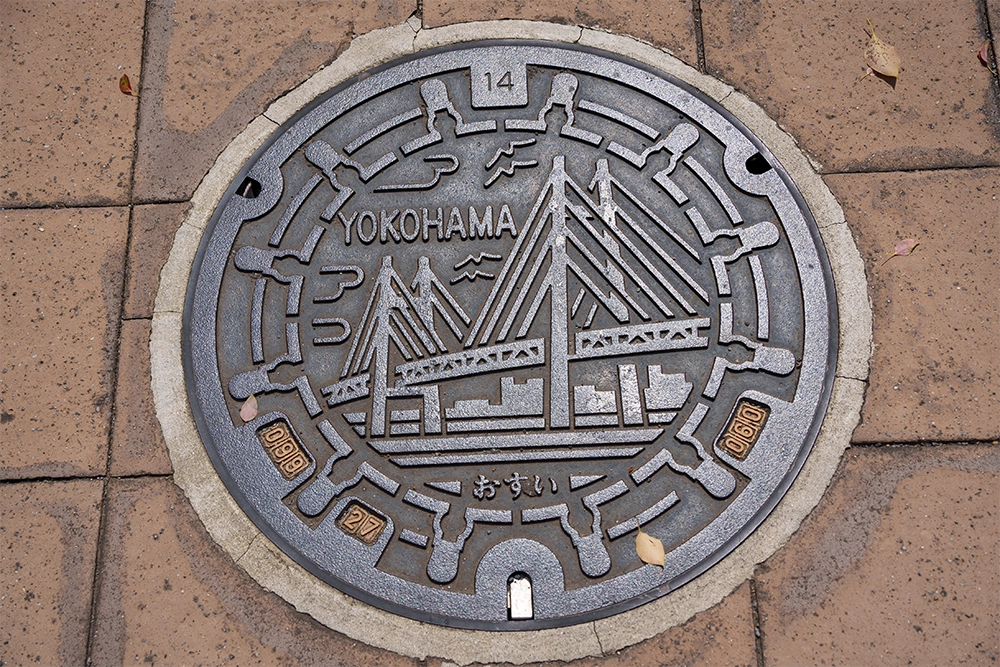
Yokohama is also one of the most diverse and cosmopolitan cities in Japan.
The city is home to the largest Chinatown district in Japan, while the elegant Yamate district features many historic Western-style homes built by European traders who settled in Japan in the early 20th century.
Whether you’re after a spot of culture, an incredible array of fantastic food, great shopping or if you need to keep the kids entertained, you’ll easily find what you’re looking for in Yokohama.
Where is Yokohama?
Is One Day in Yokohama Enough?
To be honest, not really.
Yokohama has more than enough to see and do to keep you occupied for a lot longer – ideally, if you have the time, we’d recommend staying for two days at the very least.
However, even if you only spend one day in Yokohama, you’ll still be able to get a wonderful overview of the city and see a good chunk of its main highlights and attractions.
The Perfect One Day Yokohama Itinerary
From spectacular views to unique museums via Japan’s biggest Chinatown, here’s the ultimate one day Yokohama itinerary.
Take in the Views from the Sky Garden at the Landmark Tower
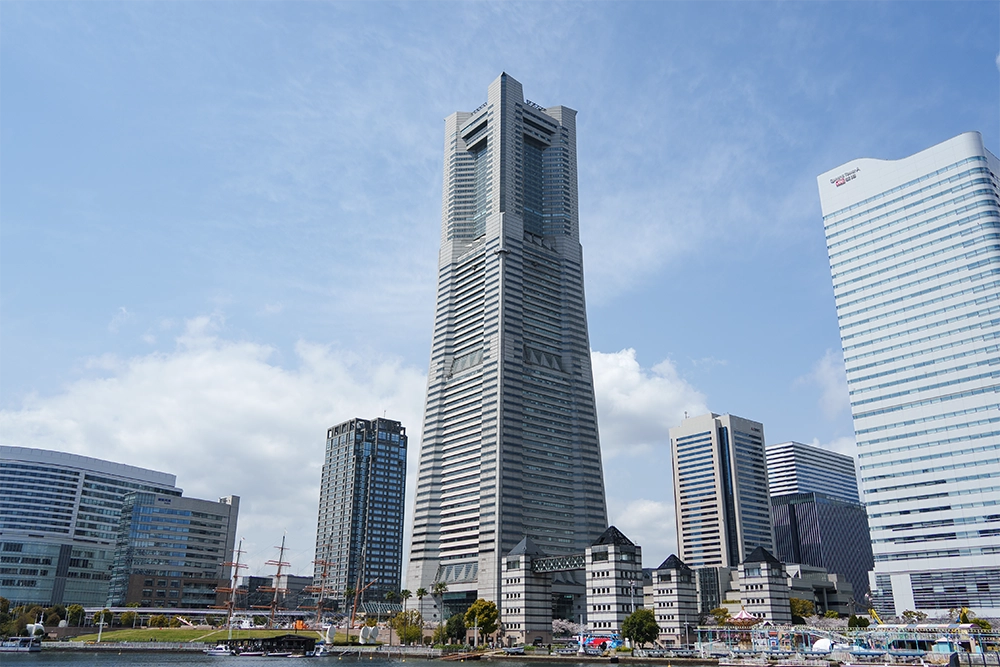
Start your day in Yokohama at the Sky Garden observation deck at the top of the Landmark Tower to see mesmerising views of the city and way beyond.
When it was built in 1993, the Landmark Tower was the tallest building in Japan (it’s now the third tallest).
The Sky Garden observation deck is located on the 69th floor of the Landmark Tower in Minato Mirai, close to the harbour. The observation deck is 273 metres above ground level and reached via the fastest elevators in Japan, which hurtle visitors up to the Sky Garden in just 40 seconds.
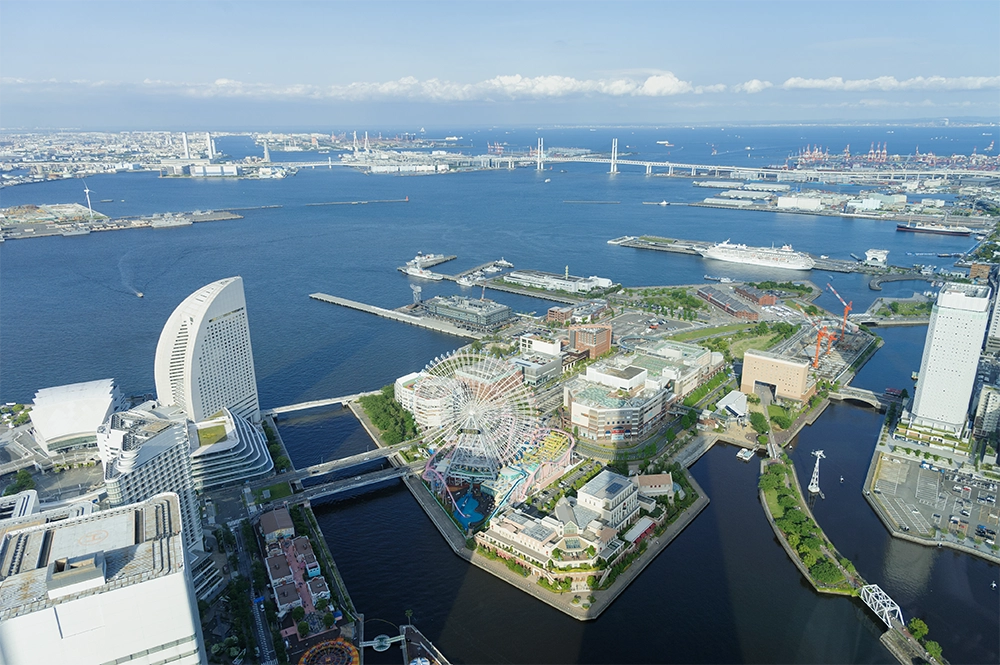
The floor-to-ceiling windows that wrap around the observation deck offer fantastic 360 degree views right across Yokohama, including the nearby attractions just along the port. On clear days you can even see as far as central Tokyo to the north and get great views of Mount Fuji to the west.
If you need a coffee or a light bite to eat then there’s also a small cafe from where you can also admire the wonderful views across Yokohama.
- Sky Garden at the Landmark Tower
- 10:00am - 9:00pm daily
- Adults - ¥1,000 / Children - between ¥200-800 depending on age
Take a Ride on the Yokohama Air Cabin
After descending from the Sky Garden, take a quick glide across Yokohama bay on the Yokohama Air Cabin.
The Yokohama Air Cabin’s Sakuragicho Station is just a few minutes walk away from the Landmark Tower, and from here you can take a fun jaunt across the water in a cable car.
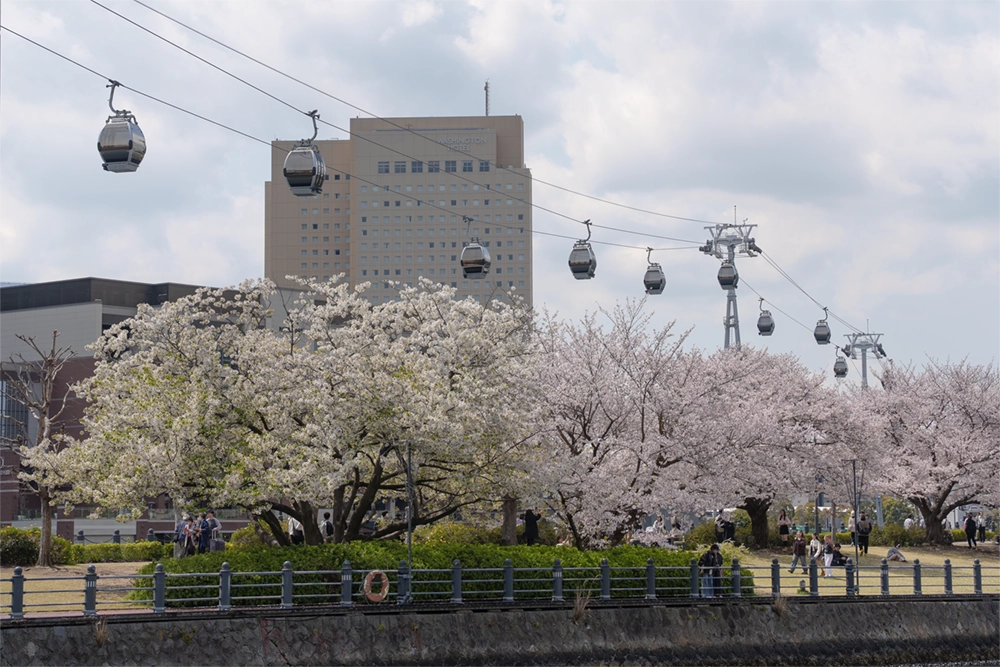
The ride is only around 600 metres long and a single journey only takes a few minutes.
However the Yokohama Air Cabin does offer unique views of some of central Yokohama’s most famous sights, including Cosmo World’s giant Ferris wheel and the glitzy modern towers of Minato Mirai.
- Yokohama Air Cabin
- 10:00am - 9:00pm daily
- One way ticket: Adults - ¥1,000 / children (12 and younger) - ¥500 / Round trip ticket: Adults - ¥1,800 / children - ¥900
Get Creative at the Cup Noodles Museum

From the Air Cabin’s Unga Park station, walk over to the Cup Noodle Museum, located behind the giant Yokohama World Porters mall.
One of Yokohama’s most popular attractions, the Cup Noodle Museum is a playful as well as educational look into the invention and development of instant cup noodles.
The Cup Noodles Museum tells the story of Momofuku Ando, the inventor of instant noodles. In the aftermath of World War II, when Japan faced severe food shortages, Momofuko wanted to invent a meal that was cheap and easy to make.

Eventually, Momofuku discovered the perfect formula for instant noodles.
In the 1970s, Momofuku struck upon the idea of selling cup noodles – a portion of dried noodles sold in a styrofoam cup that could be heated up with boiling water and eaten instantly.
As well as the story of Momofuku, the Cup Noodles Museum also displays a huge collection of several decades worth of noodle products and vintage packaging made by Nisshin, the company Momofuku founded.
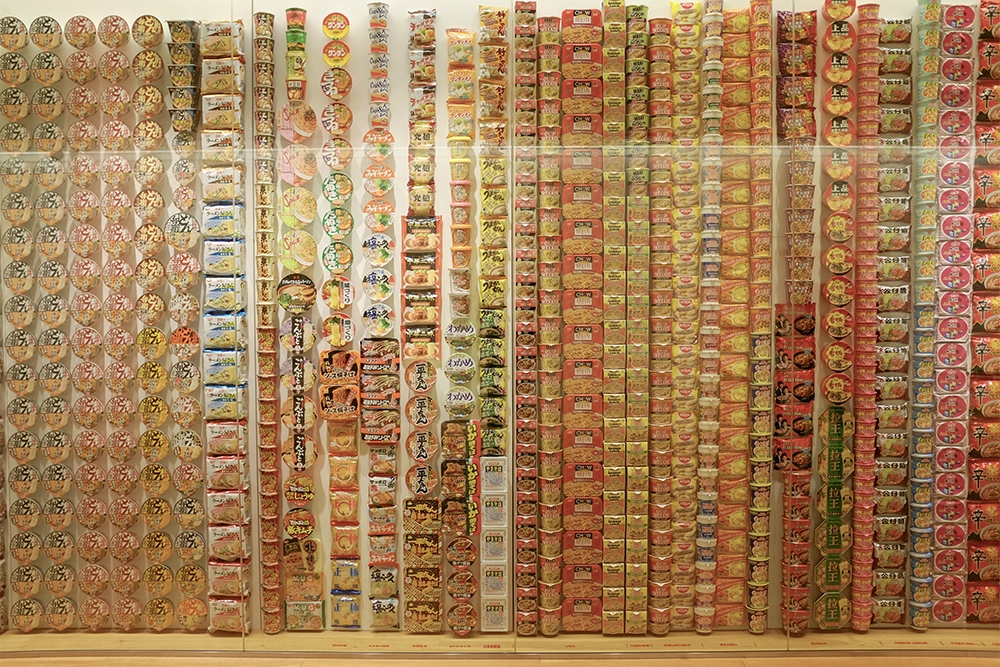
The highlight of the museum is the opportunity to make and customise your very own cup of noodles as a souvenir.
For your own personalised cup of noodles you can choose your favourite ingredients and design and colour the packaging entirely to your own tastes.
Be aware that the Cup Noodle Museum is incredibly popular and it pays to book tickets in advance as they sell out quickly.
You can buy tickets online directly from the Cup Noodles Museum here.
- Cup Noodle Museum
- 10:00am - 6:00pm - closed on Tuesdays
- Adults - ¥1,000 / children - ¥500
Red Brick Warehouse
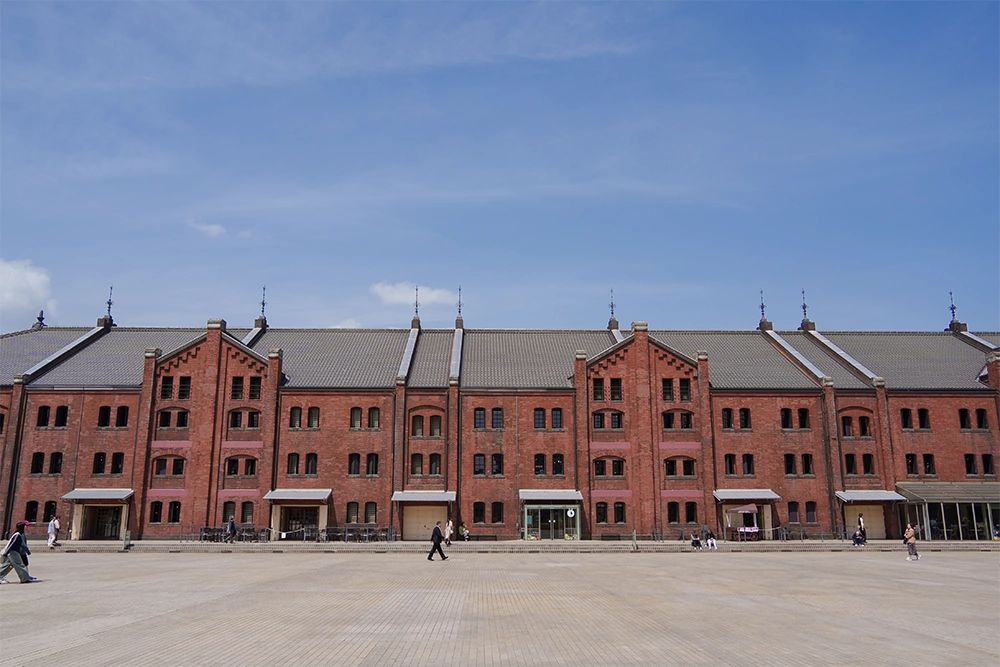
Originally built in the 1910s as a customs inspection house, the Red Brick Warehouse in Yokohama port has become a symbol of the city.
The Red Brick Warehouse has been beautifully restored and repurposed and are now home to an excellent range of shops, cafes, and restaurants.
The elegant Red Brick Warehouse is actually made up of two buildings – warehouse number 1 and warehouse number 2 – and has a wide selection of shops that specialise in all manner of goods, including jewellery, stationery, leather goods, vintage clothes, and fashion accessories.
You’ll also find a great selection of local specialty goods and Yokohama-branded souvenirs.

Besides shopping, the Red Brick Warehouse is a great place to eat, whether you’re looking for a quick snack or a bigger meal.
There are several cafes and Japanese and international restaurants located in both warehouse buildings.
The Red Brick Warehouse also hosts a number of popular events throughout the year, including an Oktoberfest beer festival from late September and a German-style Christmas market from late November through to late December.
- Red Brick Warehouse
- 11:00am - 8:00pm daily - individual stores and restaurants may vary.
Relax by the Bay at Yamashita Park
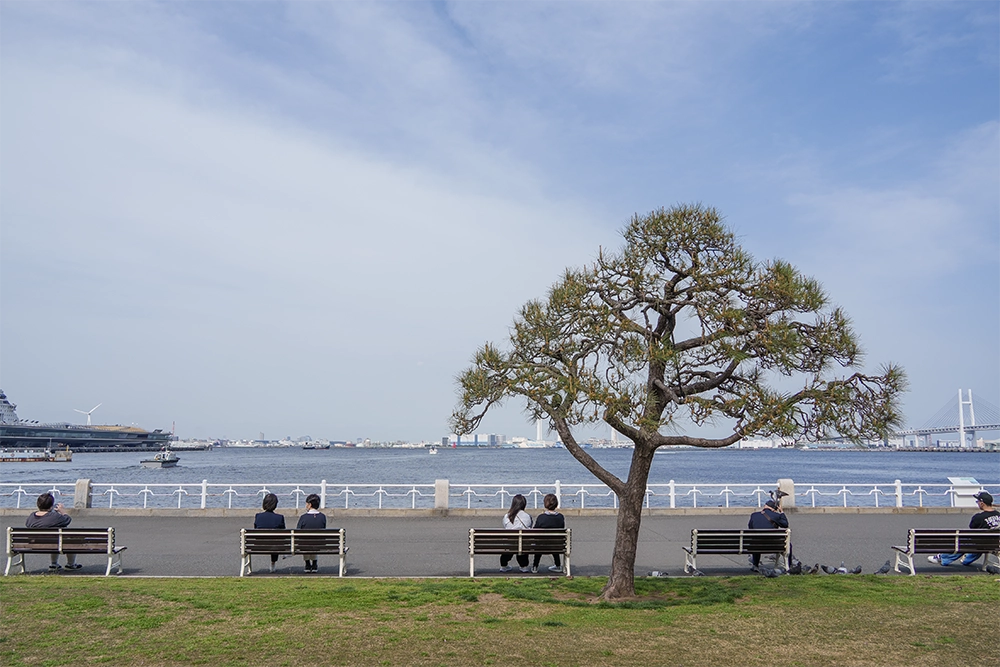
A five minute walk along the promenade from the Red Brick Warehouse is Yamashita Park.
Yamashita Park is a long stretch of beautiful green space that faces onto Yokohama Harbour and is a popular spot to relax and enjoy the surroundings.

At the centre of the park is the Future Rose Garden, where different types of colourful roses bloom at different times of the year. Various picturesque flower displays are also held in the park during different seasons.
Alongside several fountains and public artworks is the Statue of the Girl with Red Shoes. This small statue depicts the character in a famous Japanese song that is set in Yokohama.

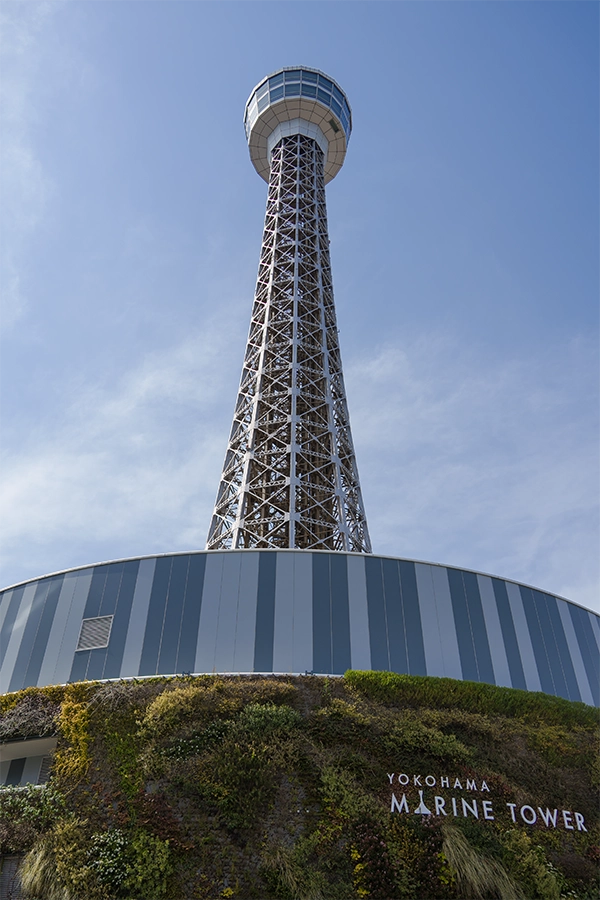
The statue of the Girl With Red Shoes and the Yokohama Marine Tower
Around Yamashita Park are several other attractions that you might want to explore.
Behind Yamashita Park is the Yokohama Marine Tower, an observation deck with excellent views over the port.
At 100 metres high, the Yokohama Marine Tower isn’t quite as spectacular as the Sky Garden, but there are good views of the port and the city, as well as Mount Fuji on a clear day.
Also permanently docked in the port next to the park is NYK Hikawa Maru, a cargo and passenger liner that was built in Yokohama in 1930.

Over a period of 30 years the NYK Hikawa Maru travelled across the Pacific Ocean between Japan and Seattle over 250 times. The ship was also used as a hospital ship during the Second World War.
The NYK Hikawa Maru took her final voyage in 1960 and today the ship is open to the public, where you can see how it would have looked during its prime as an ocean liner.
Explore Yokohama’s Chinatown

A short walk from Yamashita Park is Yokohama’s Chinatown, the largest Chinatown district in Japan. Chinese migrants settled in Yokohama in the late 19th century, when Japan opened to overseas trade after over 200 years of global isolation.
Today, Chinatown is a vibrant and thriving area whose streets and alleys are packed with colourful temples, traditional Chinese restaurants, tempting snack stalls, as well as fortune tellers, tea stores and much more.
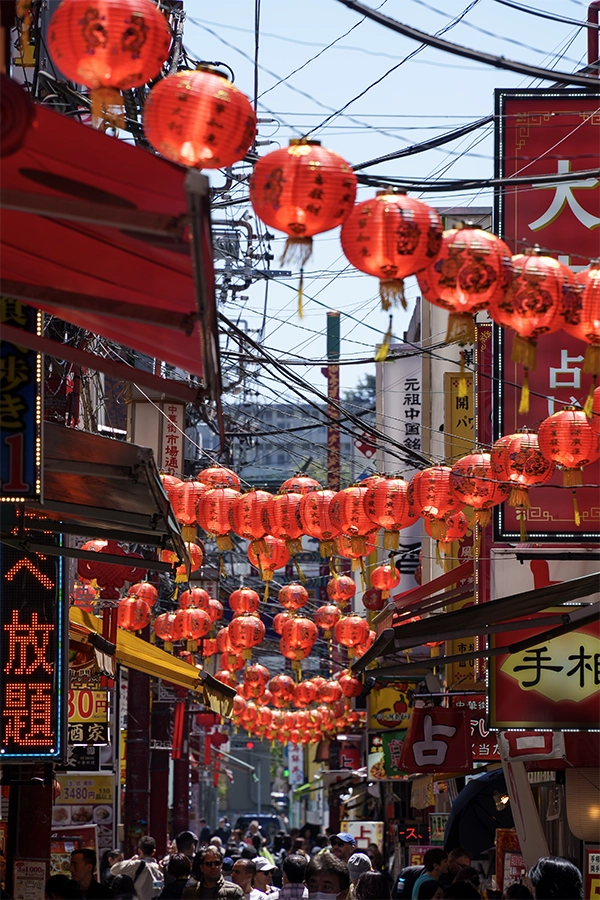

Hanging lanterns and traditional confectionery on sale in Chinatown, Yokohama
Huge elaborate gates mark the entrance to Chinatown’s main streets, each beautifully decorated with traditional Chinese emblems, patterns and wood carvings.
The busiest areas are along Chinatown’s two main streets, Chukagai Odori and Minami-Mon Silk Road. Both streets are lined with as well as typical Chinese street food snacks such as bao and dumplings, as well as more modern treats like bubble tea and strawberries on sticks.
Amongst Chinatown’s most famous landmarks are its two traditional Chinese temples.

Kuan Ti Miao Temple on Kanteibyo Street was originally founded in 1871, although the current building was rebuilt in 1990 following a fire.
The temple is dedicated to Guan Yu, an ancient Chinese warrior worshipped as a deity. Kuan Ti Miao features a small courtyard and stairs that lead up to the temple, which is beautifully adorned with intricate stone and gold leaf wood carvings.
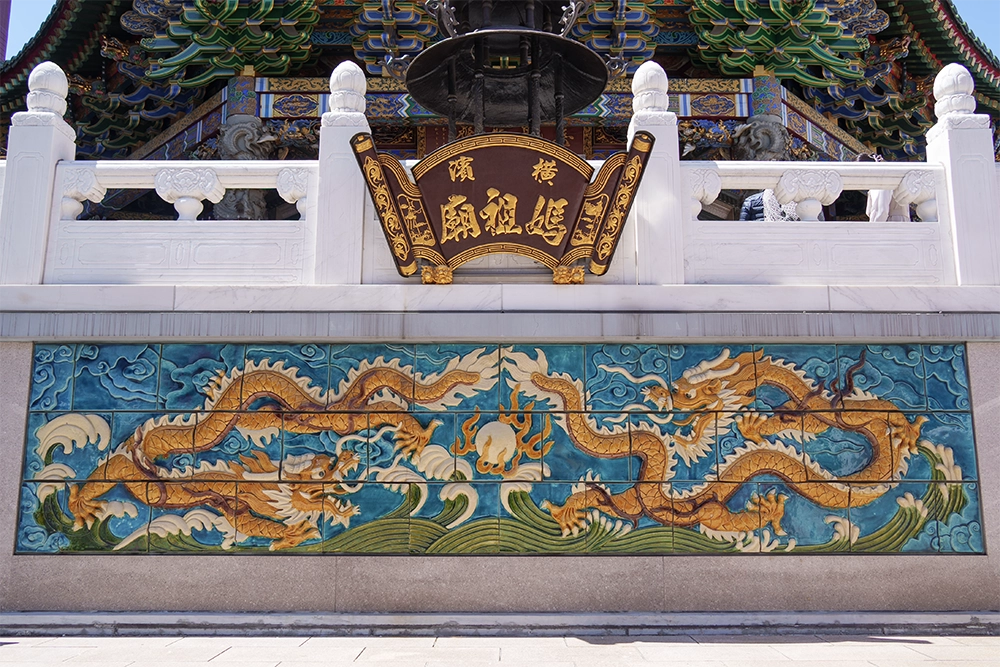
Meanwhile on Minami-Mon Silk Road is Mazu Miao temple.
Dedicated to Mazu, the sea Goddess who is said to protect sailors and fishermen, Mazu Miao was built in 2006 and features a stunning entrance gate. The main temple building is also adorned with equally stunning traditional decorative details.
If you’re hungry you’ll find plenty of places to eat in Chinatown. Whether you’re after some truly authentic dim sum, Peking duck or a spicy Szechuan hotpot, then you’re in the right place.
As you’d expect, there are countless traditional Chinese, Mandarin, Cantonese, and Taiwanese restaurants in Chinatown.
Some of the best places to eat can be found along Hong Kong Road, a narrow street that connects Chukagai Odori with Kanteibyo Street.
Enjoy a Night on the Tiles in Noge or Bashamichi
If you’d prefer to eat elsewhere, or if you’re looking to wind down your day in Yokohama with a nightcap, then there are plenty of great areas to explore.
The area of Noge is famous as a great place for a night out in Yokohama, whose network of streets are lined with dozens of tiny izakayas and bars that are open until the early hours.
The area includes Noge Food Alley, a street famous for its high concentration of great eats, and is often compared to Golden Gai in Tokyo’s Shinjuku area.
Alternatively, head to Bashamichi. Located just across the Ookagawa River from Noge, Bashamichi is a bustling area that features a huge selection of excellent restaurants and bars. Baird Beer Bashamichi Taproom is perfect for those who love their craft beers.
Extra Ideas for Your Yokohama Itinerary
If you need some additional ideas for your one day Yokohama itinerary, here are a few extra suggestions for things to do in the city.
Harbour View Park

A short walk from Motomachi-Chukagai Station is Harbour View Park, another of Yokohama’s beautiful green spaces.
With wonderful views over the port and especially of the Yokohama Bay Bridge, Harbour View Park also includes a stunning rose garden and the British House, the former official residence of the British Consul General that was built in 1937 and is now open to the public.
Western Houses of Yamate
The historic neighbourhood of Yamate was where many foreign merchants, traders and diplomats settled in the late 19th and early 20th centuries.

Also known as the Bluff, Yamate is located close to Harbour View Park and is home to several beautiful Western-style houses.
The area, along with Harbour View Park, was the setting of the Studio Ghibli film From Up On Poppy Hill.
Today, several of the area’s old Western homes are open to the public, which showcase the wealth and splendour enjoyed by early European settlers in Japan.
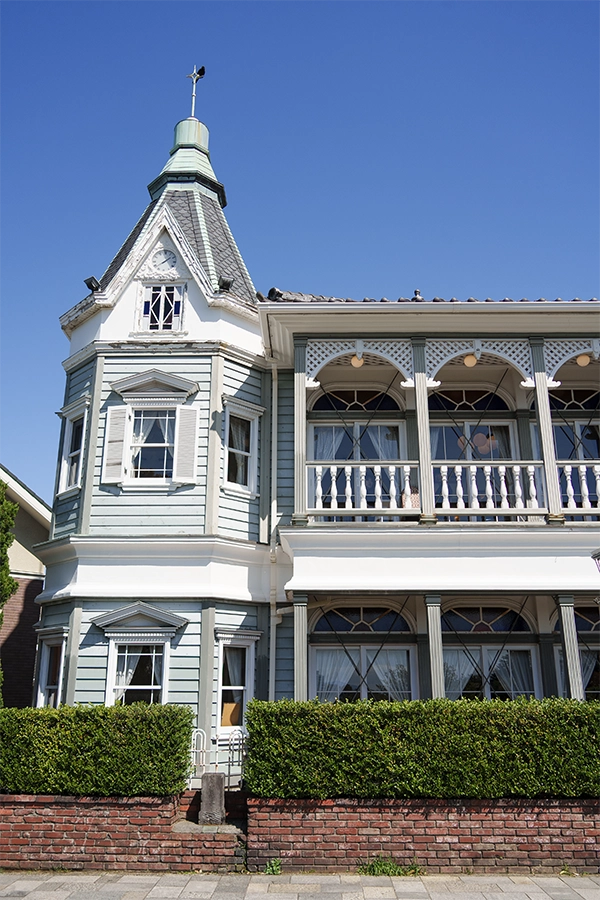
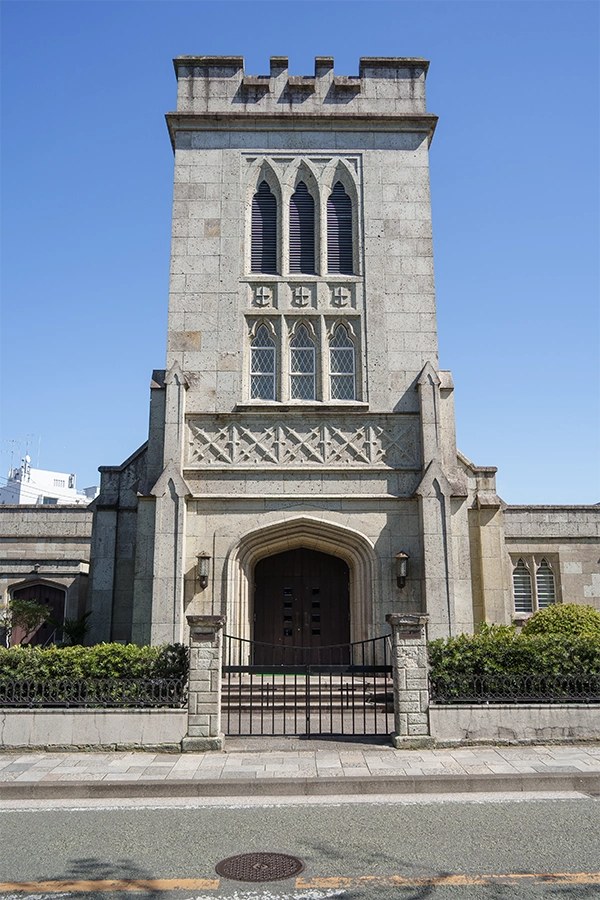
Historic Western-style buildings in Yamate, Yokohama
These include the Ehrismann Residence in Motomachi Park and Berwick Hall, a Spanish-style mansion built in 1930.
One of Yamate’s historic homes is now a cafe called Enokitei Honten, where you can admire the traditional interiors along with a delicious dessert or high tea.
Other interesting sights include the distinctly British architecture of the Anglican Christ Church, while many of the area’s early settlers are buried in Yamate’s Yokohama Foreign General Cemetery.
Motomachi Shopping Street
Motomachi Shopping Street is one of the most upmarket commercial areas in Yokohama.

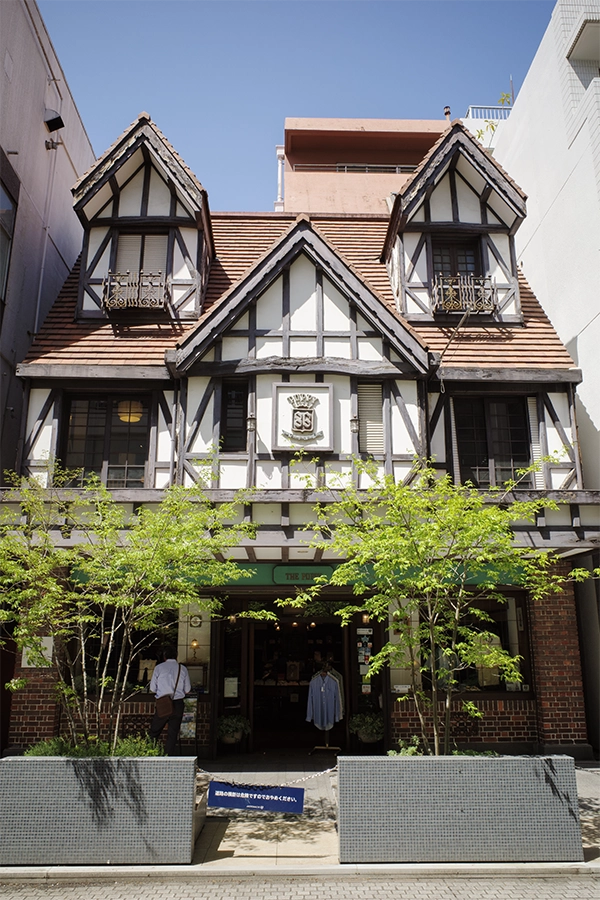
Lined along Motomachi Shopping Street and the parallel Motomachi Naka Street are a wealth of high-end fashion boutiques, jewellery stores, elegant cafes and patisseries, and a host of local and international restaurants.
The international influence on the area can be seen in the mock-European architecture of some of the area’s buildings.
Yokohama Cosmo World
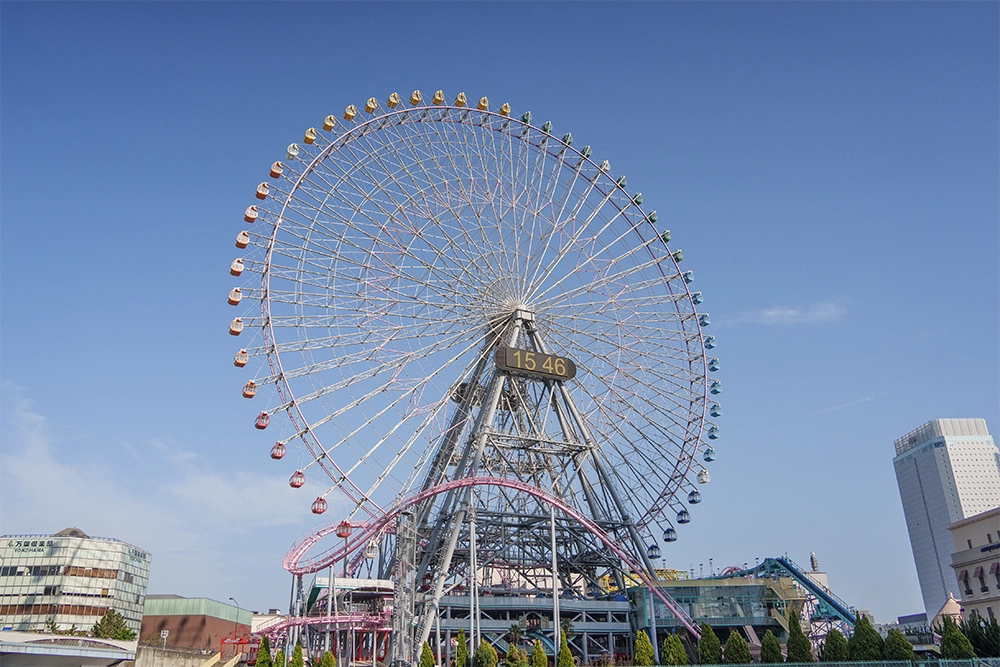
Yokohama Cosmo World is a great place to visit if you’re travelling with young children.
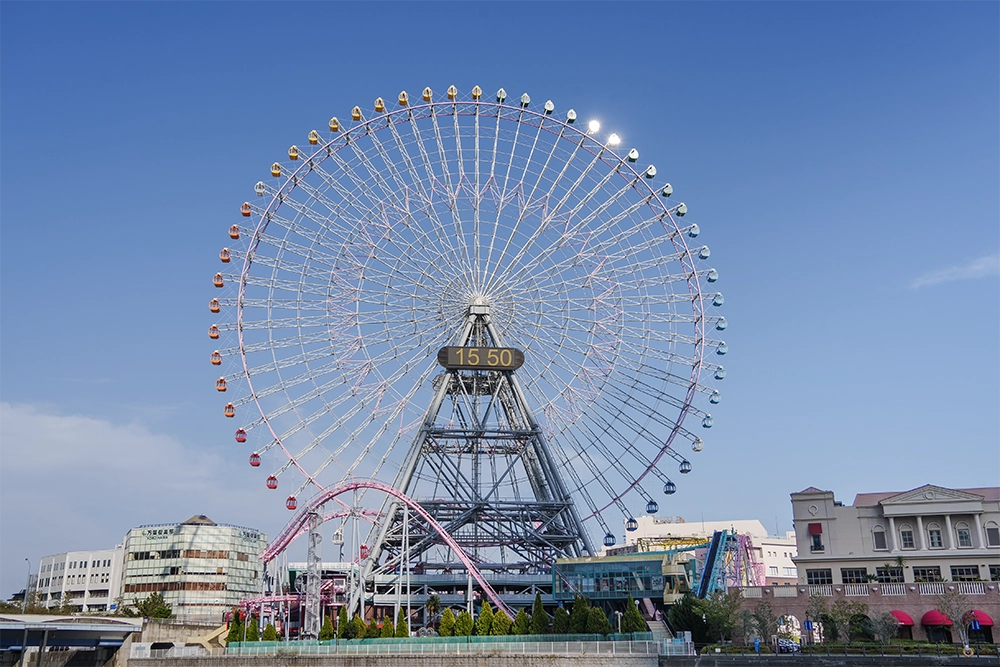
Located across the road from the Cup Noodle Museum and opposite the Landmark Tower, Cosmo World is famous for its iconic Ferris wheel, Cosmo Clock 21, with a giant digital clock at its centre.
Cosmo World is free to enter and you simply pay per ride. The theme park has a great range of attractions for all ages, from gentle rides for children to log flumes and roller coasters for those looking for more of a thrill.
- Yokohama Cosmo World
- Weekdays: 11:00am - 9:00pm / weekends: 11:00am - 10:00pm - closed Thursdays
- Entry is free but costs of rides and attractions vary
Enjoy High Tea at the Hotel New Grand
Located next to Yamashita Park and built in 1927, the historic Hotel New Grand is one of the best hotels in Yokohama.
The hotel also has several excellent dining options, including Lobby Lounge La Terrasse, a classy cafe famous for its fabulous high tea, a set of sumptuous plates of sandwiches, cakes and desserts, served with a pot of tea.
Shin-Yokohama Ramen Museum
The Shin-Yokohama Ramen Museum is located to the north of the city centre but is a must visit for anyone who loves ramen.
On the ground floor the museum has exhibitions and informative displays that document the history and development of ramen in Japan over the years.
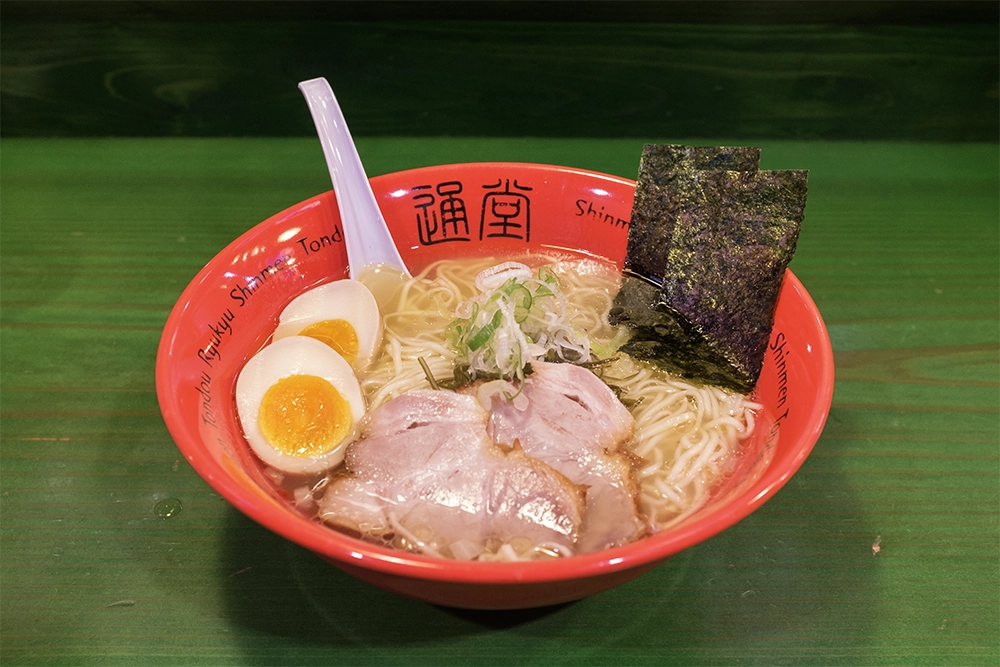
The museum’s highlight is the incredibly faithful mock-up of a retro Showa-era street in Japan, complete with eight ramen restaurants, each specialising in a different and delicious type of ramen.
- Shin Yokohama Ramen Museum
- Weekdays : 11:00am - 9:00pm / weekends: 10:30am - 9:30pm
- Adults - ¥450 / children - ¥100
Sankeien Gardens
About a 20 minute bus journey from Motomachi Chukagai Station, Sankeien Gardens is a beautiful traditional Japanese garden centred around a large pond.
The garden was designed and built in the early 20th century by Tomitaro Hara, a wealthy local silk merchant.

Hara built a grand house as his private residence which was surrounded by a private inner garden. He opened Sankeien’s outer garden to the public in the 1920s, and today visitors can explore all of the garden’s grounds, which is around 175,000 square metres in total.
Sankeien Garden is also famous for its collection of 17 beautiful buildings which have been relocated from all across Japan.
Temple buildings, historic homes and traditional tea houses from as far as Kyoto, Uji, Osaka and Toyama have been re-homed in the garden. The most famous building here is the three storey pagoda that towers over the garden.
Spectacular all year round, the garden looks particularly beautiful in the spring, when the plum blossom and cherry blossom trees are in full bloom.
- Sankeien Gardens
- 9:00am - 5:00pm daily
- Adults - ¥900 / children - ¥200
Yokohama Doll Museum
The Yokohama Doll Museum contains various displays of traditional and modern Japanese dolls, as well as an extensive collection of dolls from Europe, America and other parts of the world.
The museum’s huge collection spans everything from traditional Japanese hinamatsuri dolls to Disney and Barbie dolls and everything in between. The museum also holds a number of special doll-themed exhibitions throughout the year.
- Yokohama Doll Museum
- 9:30am - 5:00pm / closed Mondays
- Adults - ¥400 / children ¥200
Sail Training Ship Nippon Maru
Docked next to the Landmark Tower is the Sail Training Ship Nippon Maru. Built in 1930, the Nippon Maru was a training ship for cadets looking to captain merchant ships on ocean crossings and was in service for over 50 years.
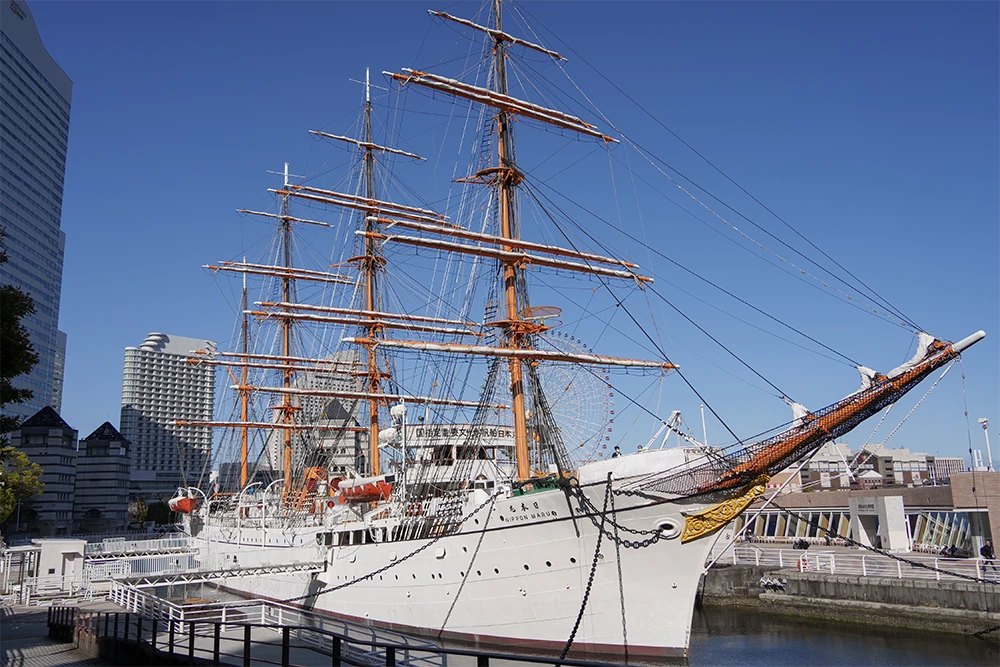
Thousands of cadets learned their trade on the Nippon Maru which sailed a total distance of around 2 million kilometres during her service.
Beautifully preserved, the Nippon Maru is open to the public where you can see the inner workings of the ship, admire the beautiful interiors of areas such as the Officer’s Saloon and see what life was like on board during its time as a training vessel.
- Sail Training Ship Nippon Maru
- 10:00am - 5:00pm / closed Mondays
- Adults - ¥400 / children ¥200
How to Get to Yokohama
Thanks to Japan’s excellent public transport system it is very easy to spend a day in Yokohama from Tokyo – there are dozens of direct trains to Yokohama Station from central Tokyo every day.
- From Tokyo Station you can take the Tokaido Line, Yokosuka Line or the Keihin Tohoku Line to Yokohama Station. These take between 25 – 40 minutes to get to Yokohama Station.
- From both Shinjuku Station and Shibuya Station you can also take the Shonan-Shinjuku Line directly to Yokohama Station. This journey takes around 30 minutes.
- From Shibuya Station, you can also take the Tokyu Toyoko Line to Yokohama Station. After Yokohama Station, the Toyoko Line continues on to the Minatomirai Line, which has stops close to all of the sights we recommend seeing in our Yokohama itinerary.
• FYI: While you can travel between Tokyo and Yokohama on the Tokaido Shinkansen bullet train service this is not recommended.
Bullet trains stop at Shin Yokohama Station, which is in the north of the city and quite far from the centre. From here you would need to take another train to get into central Yokohama.
You’re much better off taking one of the regular train lines from central Tokyo to Yokohama.
How to Get Around Yokohama
The best way to travel around Yokohama is by train, by bus, and on foot.
There are several metro and overground train lines with stops that are within walking distance to almost all of the city’s major attractions.
There’s also a regular loop bus service that stops at all of Yokohama’s main attractions.
Pasmo and Suica travel cards can be used on all trains and local buses in Yokohama, except the Akai Kutsu loop bus.
How to Get Around Yokohama by Train
Many of Yokohama’s biggest attractions are within walking distance from stations on the Minatomirai Line which departs from Yokohama Station.
For example, the Cup Noodle Museum, Cosmo World, the Landmark Tower for the Sky Garden observatory and the Yokohama Air Cabin are all within a few minutes’ walk from Minatomirai Station.
The Red Brick Warehouse is around a 10 minute walk from Bashamichi Station or Nihon-Odori Station, both of which are also on the Minatomirai Line
Meanwhile Yamashita Park, Chinatown, Motomachi Shopping Street and Yamate can all be reached from Motomachi Chugaki Station, the final stop on the Minatomirai Line.
How to Get Around Yokohama by Bus
There is also a special loop bus service called Akai Kutsu that you can use to travel to all of the spots on our Yokohama itinerary.
The service begins and ends at Sakuragicho Station and stops at Yokohama’s main sights, including the Red Brick Warehouse, Yamashita Park, Chinatown, and Harbour View Park.
Buses run every 20 minutes on weekdays and every 15 minutes on weekends.
Note that IC cards cannot be used on the Akai Kutsu loop bus. Instead there is a flat fee of ¥220 for adults or ¥110 for children for all journeys.
Where to Stay in Yokohama
If you decide to spend more than one day in Yokohama then there are plenty of excellent places to stay in the city.
Here are a few hotels in Yokohama that we recommend:
- JR EAST HOTEL METS Yokohama Sakuragicho – Featuring modern, clean and good sized rooms, the JR East Hotel Mets Yokohama Sakuragicho is located right next to Sakuragicho Station and a stone’s throw from all of the main sights.
- Citadines Harbour Front Yokohama – A few minutes walk away from Yamashita Park, the Citadines Harbour Front Yokohama offers stylish, nautical-themed rooms, many of which come with wonderful views looking out over the bay.
- Hotel New Grand – If you want to stay in Yokohama in style then look no further than the Hotel New Grand. This magnificent Art Deco hotel is a local institution and perfectly located for exploring the city.
When is the Best Time to Visit Yokohama?
Yokohama is a great place to visit all year round.
As the summers in Japan are scorching hot and humid you might want to wait until a cooler time of year if you’re not great in the heat – spring or autumn are usually the ideal time to visit Yokohama.
Winter offers the best views of Mount Fuji from Yokohama’s observation decks.

I’m James, the founder, editor, writer and photographer at Where You’re Between. Currently based in Japan, I started Where You’re Between in 2017 to create detailed itineraries and in-depth travel guides for the places that I’m fortunate enough to visit. You can see all of our destinations here.
Explore Even More of Japan
- How to Spend a Week in Tokyo
- How to Watch a Sumo Training Session in Tokyo
- How to Spend Two Days in Hakone
- 15 Places to Visit on a Weekend Trip from Tokyo (and How to Get to Them)
- Here’s the perfect Kamakura itinerary
- These are the Best Day Trips From Kyoto
- How to Spend Two Days in Kanazawa
- What to See and Do on the Perfect Day Trip to Nara
- Here’s the Ultimate 24 Hour Osaka Itinerary
- Everything You Need to See and Do in Koyasan
- Discover 35 Lesser-Known Destinations off Japan’s Tourist Trail
- Here’s Why Winter is the Best Time to Visit Sapporo
- Discover Naoshima, Japan’s Art Island
- These are the Best Things to Do in Ishigaki, Okinawa’s Tropical Paradise
- Here’s the Complete Guide to Hiking in Kamikochi
Share this post
If you’ve liked this post please share it with friends and followers on your socials:
Follow us on Social Media
Follow our travels on Instagram here, and keep up to date with our latest posts on Facebook here.